
Tomatos
Overview
Blueberries are perennial shrubs from the Ericaceae family, known worldwide as a superfood. They are rich in vitamins, minerals, and antioxidants – especially anthocyanins, the natural pigment that gives them their blue color and helps protect the body from inflammation and aging.
These compounds help maintain heart and vascular health, improve vision (especially night vision), slow the aging process, and reduce the risk of metabolic and digestive diseases.
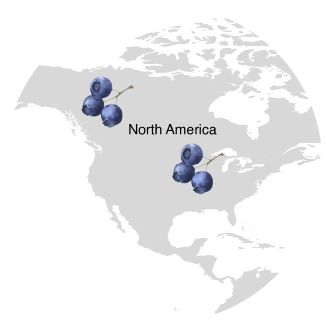
Originating in North America, blueberries were traditionally cultivated in wetland areas. They grow as multi-year shrubs with shallow roots. Some varieties are deciduous and require long cold periods, while others are evergreen and thrive with minimal chilling
These compounds help maintain heart and vascular health, improve vision (especially night vision), slow the aging process, and reduce the risk of metabolic and digestive diseases.
Originating in North America, blueberries were traditionally cultivated in wetland areas. They grow as multi-year shrubs with shallow roots. Some varieties are deciduous and require long cold periods, while others are evergreen and thrive with minimal chilling
Soil
Blueberries require well-drained sandy or loamy soils rich in organic matter. The pH must be kept between 4.5 and 5.5 for proper nutrient uptake
Irrigation
Consistent moisture is critical. Drip irrigation is preferred to avoid water stress
Temperature
Optimal between 16°C and 25°C; sensitive to frost during flowering
Light
Full sunlight is needed for uniform ripening and high sugar accumulation
Global Production
Tomato Articles

Regional info
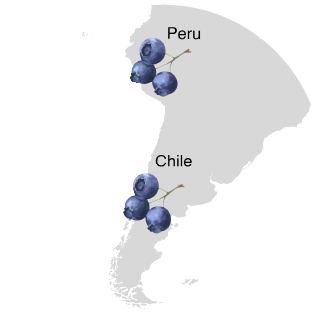
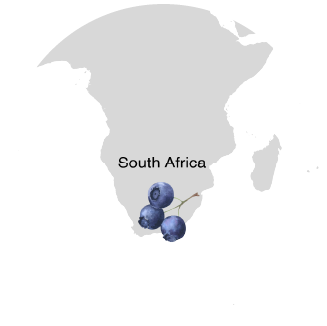
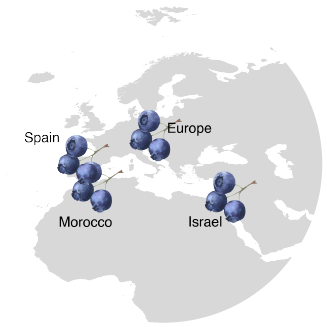
Mediterranean Regions (Spain, Israel, Morocco): Emphasize drip fertigation and careful summer irrigation scheduling. Temperate Zones (Europe, North America): Focus on soil organic matter and frost protection during early bloom. Subtropical Areas (Peru, Chile, South Africa): Manage pH stability and control excessive vegetative growth.
Growth Stages
Establishment (0–2 years) – Root and shoot development. Sensitive to salinity and poor drainage. Vegetative Growth (spring) – Leaf canopy and shoot elongation determine fruiting potential. Flowering & Fruit Set (late spring) – Adequate Nitrogen and Phosphorus are essential for flower differentiation and fruit initiation.
Sustainability Focus
A short description of the service and how the visitor will benefit from it.
Tomato
| Fertilizer type | Gat Liquid Fertilizers | Water Soluble Fertilizers | Granular Fertilizers |
|---|---|---|---|
| NPK capability | |||
| Tailor made solutions | |||
| Use in drip system | |||
| Accurate application | |||
| Water saving solutions | |||
| Sustainable product | |||
| Saving storage capacity | |||
| Saving inventory financing | |||
| Bio stimulants additives | |||
| Easy to apply | |||
| Quality assurance | |||
| Single supplier for formula |